POS System with Inventory Management: Our Retail Deal Platform Simplifies Sales And Inventory Management Effectively
History and Advancement of Point Of Sales Systems
Have you ever stopped to question how the modern Point Of Sales System came to be? It's a journey that weaves through years of development, showing not simply technological leaps but also the altering rhythm of commerce itself. Picture a dynamic basic store in the late 19th century-- money registers clattering, clerks doodling down sales in ledgers. This was the simple beginning of what would become a sophisticated environment of retail innovation.
The Mechanical Origins
The first stimulate fired up in the late 1800s with the creation of the mechanical cash register. This gadget was more than simply a box to hold cash; it was a tool developed to minimize theft and improve transaction precision. Picture a shopkeeper pulling a lever, hearing the pleasing "ka-ching" sound, indicating a documented sale. It's remarkable how this easy mechanical device laid the groundwork for the sales tracking capabilities we now take for given.
Electronic Transformation and Digital Dawn
Quick forward to the mid-20th century, and the scene changes significantly. Electronic components started replacing gears and springs. Unexpectedly, sales information could be recorded digitally, changing how companies kept track of inventory and client habits. Can you think of the leap from punch cards to touchscreen interfaces? This transition didn't simply speed things up; it unlocked a new world of data analytics, enabling merchants to anticipate patterns and customize their offerings.
Secret Turning Points in POS Evolution
- Mechanical money registers: Late 1800s, fundamental tool for transaction precision.
- Electronic registers: Mid-1900s, presented digital sales recording.
- Barcode scanners: 1970s, automated product recognition, minimizing human error.
- Integrated software systems: 1990s, combined sales, stock, and consumer management.
- Cloud-based POS: 2000s onward, enabled remote gain access to, real-time information syncing, and scalability.
The Human Touch in a Digital Age
Some skeptics ask: with all this automation, do we lose the personal connection at checkout? Here's a twist-- modern POS systems in fact empower personnel to engage more meaningfully with consumers by releasing them from tiresome manual tasks. I recall a small shop where the cashier used a tablet-based POS, effortlessly managing stock while chatting with consumers about their choices. The innovation wasn't a barrier; it was a bridge.
| Period | Innovation | Impact |
|---|---|---|
| Late 1800s | Mechanical Sales Register | Reduced theft, enhanced sales precision |
| Mid 1900s | Electronic Registers | Digitized sales tape-recording |
| 1970s | Barcode Scanners | Faster checkout, decreased errors |
| 1990s | Software application Integration | Unified sales and stock management |
| 2000s+ | Cloud-Based Systems | Real-time information, scalability, remote gain access to |
Recalling, the development of the Point Of Sales System is not just a tale of technology-- it's a saga of adapting to the pulse of retail, meeting challenges, and reshaping the customer experience. Best POS System for Retail So next time you enjoy a seamless checkout, remember the winding path that brought us here.
Unloading the Vital Components of a POS System
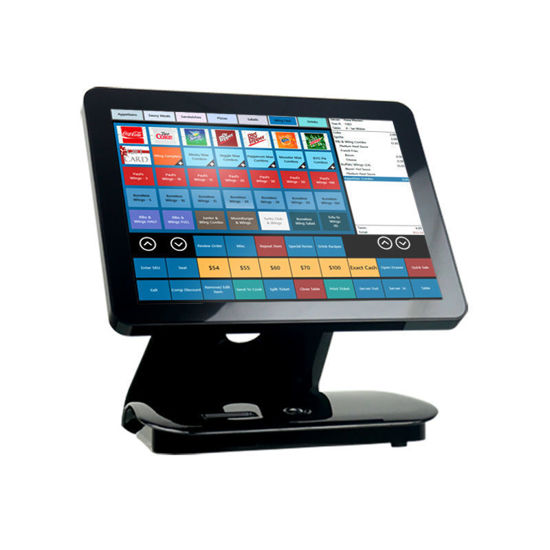
Every effective Point Of Sales System depend upon a carefully managed ensemble of hardware. Picture a busy café where orders fly in thick and quick-- the cash drawer snaps shut, the invoice printer hums, and the touchscreen glows with each deal. This symphony of gadgets is what keeps the sales register ringing and business flowing.
Core Hardware Elements
- Touchscreen Monitor: The master directing the POS experience, permitting swift input and seamless navigation.
- Receipt Printer: The tangible proof of purchase, essential for consumer trust and record-keeping.
- Cash Drawer: The safe and secure vault for physical money, often ignored however crucial for dealing with money transactions.
- Barcode Scanner: Speeds up checkout by instantly equating product codes to prices.
- Customer Show: Improves openness by showing consumers their billed products and totals in real-time.
What about the less attractive, yet important components like the POS terminal CPU!.?. !? It's the brain behind the curtain, processing data with accuracy. Without a robust processor, even the sleekest touchscreen becomes a slow bottleneck.
Specialized Hardware for Retail vs. Hospitality
| Component | Retail Usage | Hospitality Usage |
|---|---|---|
| Invoice Printer | High-speed thermal printers for fast checkouts. | Cooking area printers to relay orders directly to cooks. |
| Money Drawer | Heavy-duty with numerous compartments. | Smaller, typically integrated with mobile POS. |
| Barcode Scanner | Necessary for inventory and pricing accuracy. | Less common; changed by table numbers or order tickets. |
One common stumbling block? Integrating all these devices so they interact flawlessly. A delayed printer or an unresponsive touchscreen can spiral into long lines and disappointed clients. The essential depend on choosing hardware with proven interoperability and understanding the environment where the POS will operate.
Expert Tips for Optimum Hardware Choice
- Focus on durability: Hardware sustains constant use; select components rated for high transaction volumes.
- Check compatibility: Make sure peripherals sync effortlessly with your POS software application to avoid glitches.
- Think ergonomics: For example, a well-placed barcode scanner can accelerate checkout considerably.
- Think about future scalability: Modular hardware enables you to include or switch parts as your service grows.
- Don't ignore power supply needs; a trusted UPS can avoid data loss throughout interruptions.
Have you ever observed how a basic money drawer jam can freeze a whole checkout line? It's these apparently minor missteps that underscore the significance of selecting hardware developed for your particular retail or hospitality rhythms. When the parts are in harmony, transactions flow like a well-conducted orchestra-- smooth, speedy, and satisfying.
Unlocking the Software Application Features That Define a POS System
Imagine standing at a busy checkout, the line stretching behind a client with an armful of products. The last thing you want is for your POS software to crawl or overlook a discount rate. That's why understanding the nitty-gritty of software application functionalities can turn mayhem into structured performance.
Core Functionalities That Make or Break the Experience
- Inventory Management: Real-time tracking isn't simply a buzzword. It's the backbone that avoids overselling or stockouts. Advanced POS systems sync stock instantly, updating across channels instantly.
- Sales Reporting & & Analytics: Numbers inform stories. However do your reports expose concealed trends like peak buying hours or which product bundles enhance profits? Deep-dive analytics change raw information into actionable insight.
- Employee Management: Clock-ins, commissions, and gain access to controls-- these functions secure your operation and inspire your personnel with accuracy.
- Customer Relationship Management (CRM): Beyond deals, great POS software personalizes client experiences, recording choices to customize promotions that really work.
Professional Tips for Harnessing POS Functionalities
- Integrate with Payment Entrances Smoothly: Not all combinations are developed equal. Select systems provide native support for several payment types, consisting of contactless and mobile wallets, lessening checkout friction.
- Leverage Cloud Capabilities: Envision accessing your sales dashboard from a beach or a conference room. Cloud-based POS systems offer versatility and catastrophe strength that local-only setups lack.
- Tailor User Roles: Granular permission settings avoid unintentional information breaches and empower staff with the right tools without overwhelming them.
- Automate Routine Tasks: Set reorder points or schedule everyday sales summaries to free up time for tactical decisions instead of ordinary tasks.
Table: Comparing Important vs. Advanced POS Software Features
| Function | Vital | Advanced |
|---|---|---|
| Inventory Updates | Handbook or periodic sync | Real-time multi-location sync |
| Sales Reports | Standard everyday summaries | Customizable, predictive analytics |
| Payment Processing | Basic credit/debit | Contactless, mobile wallets, split payments |
| Customer Information | Standard purchase history | Behavioral insights and targeted marketing |
Why Some Features Slip Under the Radar
Many merchants focus on the glossy front-end features, but what about the silent warriors-- like information synchronization latency or the speed of the user interface!.?.!? A slow system can irritate employees and clients alike, spiraling wait times and mistakes. Ever seen a line grow because the POS froze? It's a lesson in why performance tuning is simply as essential as feature lists.
Ask yourself: is your POS merely a money register replacement, or a powerful tool designed to optimize your whole sales process? The difference depends on how deeply you understand and make use of the software's abilities.
Fortifying Security in POS Transactions
Have you ever wondered what happens behind the drape when you swipe your card at a Point Of Sales System!.?.!? The undetectable dance of encryption and tokenization safeguards your data in methods that frequently go unnoticed. Not all systems support these standards similarly. The maze of protecting cardholder information is more than just a checkbox; it's an essential foundation that can make or break trust in any retail environment.
Think about the subtle nuances that separate a robust POS from a susceptible one. For example, information file encryption isn't merely about encoding info-- it's about creating an unbreakable fortress around sensitive details throughout transmission and storage. Without this, hackers can make use of weak spots, turning an easy transaction into a devastating breach.
Key Components to Ensure Compliance and Security
- End-to-end file encryption (E2EE): Encrypts data from the minute of swipe or tap till it reaches the payment processor, rendering obstructed information ineffective.
- Tokenization: Replaces sensitive card details with unique tokens, preventing exposure of actual data during processing.
- PCI DSS adherence: The Payment Card Market Data Security Standard isn't simply a guideline but a blueprint for securing payment communities.
- Regular security audits: Periodic checks determine vulnerabilities before harmful stars do.
- Firmware stability: Guaranteeing that POS gadgets run only licensed software application to prevent tampering or malware injection.
Typical Oversights That Undermine POS Security
Lots of overlook the threat presented by outdated software application variations. Picture a classic tale where a hacker makes use of a recognized vulnerability patched months earlier-- it's like leaving the front door large open while boasting about your security system. Furthermore, weak credential management often causes unauthorized access; utilizing default passwords or overlooking multi-factor authentication can turn a fortress into a screen.
Specialist Tips for Enhancing Transaction Security
- Implement multi-layered authentication to restrict access to POS management consoles.
- Ensure real-time tracking and alert systems are in place to catch any anomalous activity quickly.
- Train personnel carefully on finding phishing efforts and social engineering methods that target POS vulnerabilities.
- Embrace network division so that POS terminals operate on isolated networks, limiting contagion from other jeopardized gadgets.
| Security Feature | Purpose | Expert Insight |
|---|---|---|
| End-to-End Encryption | Secures data during all deal phases | Typically undervalued but important for preventing man-in-the-middle attacks |
| Tokenization | Replaces sensitive info with tokens | Decreases scope of PCI DSS compliance by limiting direct exposure |
| Firmware Recognition | Prevents unauthorized code execution | Routine updates and checks are non-negotiable for POS stability |
Eventually, security and compliance in POS transactions are not static states however vibrant processes. They require alert adaptation and a proactive frame of mind. Have you analyzed whether your system's defenses adapt as swiftly as the dangers develop? Overlooking this can turn a single deal into an entrance for breaches that ripple across an entire operation.